
Pennsylvania Voters Deliver a Complicated Message Ahead of the Midterms
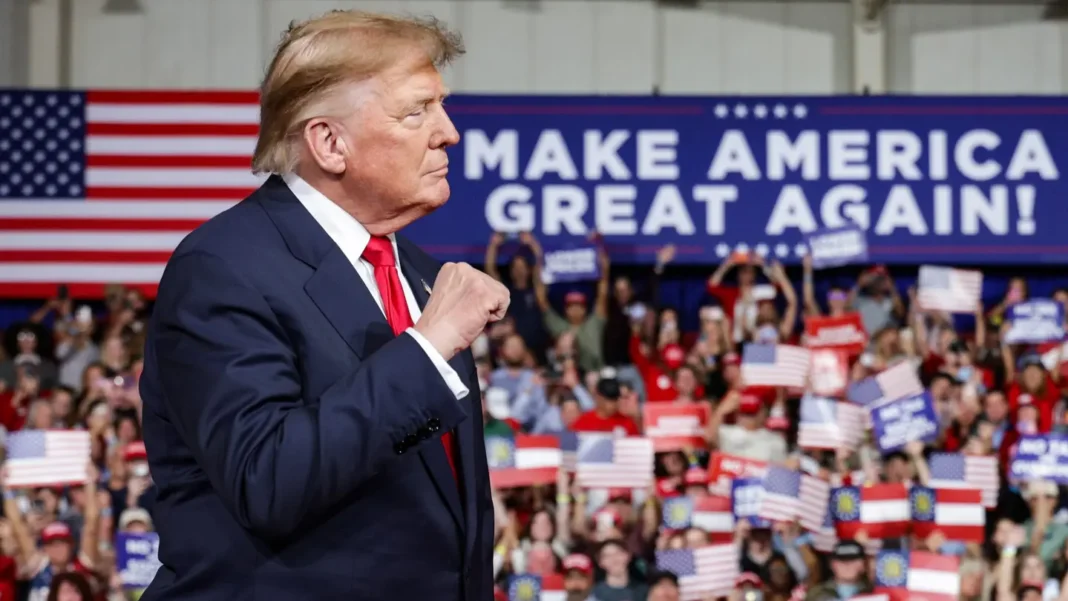
President Donald Trump may not be running for office in the 2026 midterm elections, but in battleground Pennsylvania, his presidency is shaping how many voters plan to cast their ballots. Fox News Digital spoke with voters in Bucks and Delaware counties who expressed frustration over rising prices, the economy, the war with Iran and political corruption. What makes their responses especially revealing is that several voters said they do not trust Democrats either. Yet they are considering voting for them anyway because they believe the current administration is moving the country in the wrong direction.
That creates a political challenge for Republicans: How do you keep voters behind your agenda when some of them are unhappy with the results, even if they remain skeptical of the opposition?
Rising Prices Could Become a Major Problem for Republicans
Affordability emerged as a central concern in conversations with Pennsylvania voters.
Chris, a voter from Doylestown, argued that Republicans had made everyday costs worse, pointing to gasoline, energy and food prices. Other voters said they wanted a change in direction, even if they were uncertain that Democrats would handle the economy better.
One voter, Tomas, summed up that frustration bluntly, saying he did not necessarily trust Democrats but planned to vote for them because he believed Trump was taking the country in the wrong direction.
These comments reflect a challenge that goes beyond party loyalty. Voters may judge the party in power by what they experience at the grocery store, at the gas pump and when paying household bills.
For Republicans, the political question is whether their economic policies can produce results voters can feel before they head to the polls.
Trump Remains a Powerful Force in the Election
Although Trump is not a candidate in these races, his policies and leadership remain central to the debate.
Some voters interviewed by Fox News Digital said they wanted Democrats to slow or block the administration’s agenda. Others expressed concern about immigration enforcement, foreign policy and changes to government institutions.
One voter said the administration’s institutional changes were more troubling than its spending decisions, arguing that some changes could be difficult to reverse.
The comments show how the midterms have become a broader referendum on the direction of the Trump presidency, even as voters weigh local candidates and congressional contests.
Democrats Face Their Own Trust Problem
The interviews also revealed that opposition to Trump does not automatically translate into enthusiasm for Democrats.
Several voters openly questioned whether the Democratic Party could reduce prices or govern more effectively. Their willingness to vote Democratic was driven less by confidence in the opposition than by dissatisfaction with the current administration.
That distinction matters. Voters who want change may not be committed to either party, and their support could shift depending on the candidates, their priorities and the issues dominating the final days of the campaign.
A Competitive Pennsylvania Race Could Help Decide Congress
Pennsylvania is home to several closely watched House races that could help determine control of Congress. One notable contest is in the state’s 1st Congressional District, where Republican Rep. Brian Fitzpatrick is facing Democratic challenger Bob Harvie.
The Cook Political Report recently shifted the race from “Likely Republican” to “Lean Republican,” signaling a more competitive contest.
If Democrats win control of either chamber, they could block parts of Trump’s legislative agenda and gain greater oversight power over his administration. If Republicans hold their majorities, they would have a clearer path to advancing the president’s priorities.
The Big Question: Will Frustrated Voters Actually Change Their Votes?
Pennsylvania’s voters are sending a message that neither party can afford to ignore. Economic frustration can weaken support for incumbents, but distrust of the opposition can make voters hesitate before switching sides.
Trump’s influence remains undeniable, but the midterms will ultimately depend on how voters judge the results of the past two years and what they believe the alternatives can deliver.
The most revealing part of these interviews may be that some voters are prepared to vote against the party in power without fully trusting the party they would put in its place. That tension could prove decisive in Pennsylvania and in the national fight for control of Congress.