
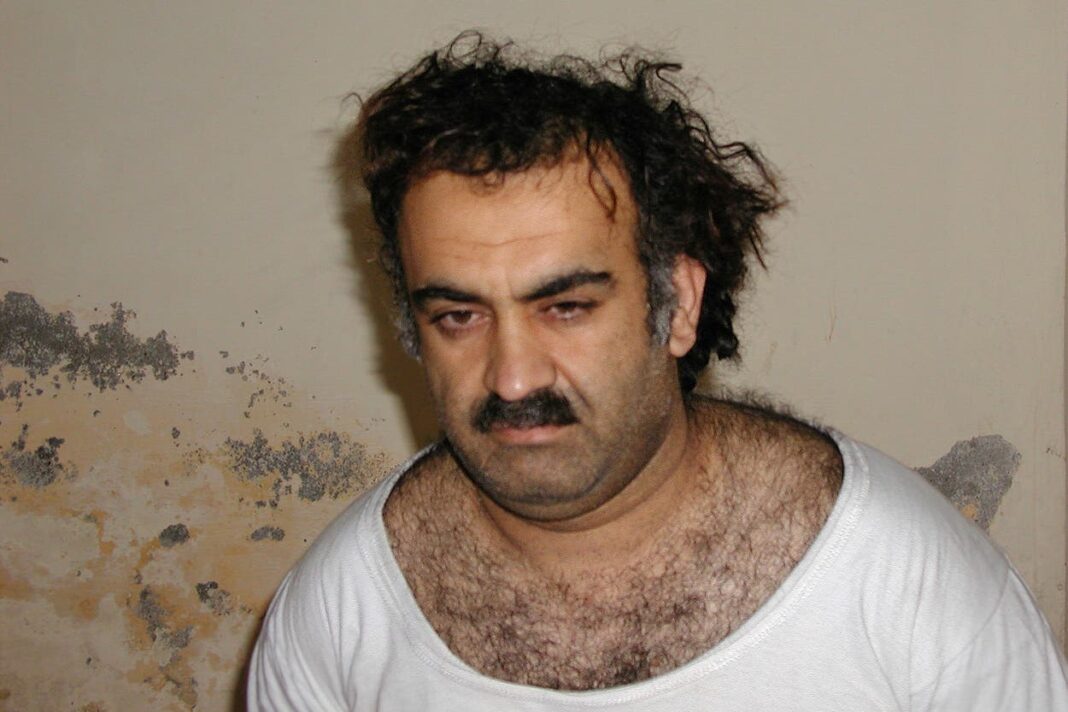
Khalid Sheikh Mohammed’s Case Reopens a Painful Chapter in America’s War on Terror
More than 25 years after the September 11 attacks killed nearly 3,000 people, the legal battle surrounding alleged 9/11 mastermind Khalid Sheikh Mohammed is far from over. A military appeals court is examining the controversial plea agreements that could spare Mohammed and two alleged co-conspirators from the death penalty, reopening one of the most consequential legal fights connected to the attacks.
The central question is stark: Should the men accused of orchestrating the deadliest terrorist attack on American soil face the death penalty, or should negotiated plea agreements determine their punishment?
Why the 9/11 Plea Agreements Sparked Outrage
Mohammed and two other defendants, Walid bin Attash and Mustafa al-Hawsawi, reached plea agreements with military prosecutors in 2024. Under the deals, they would plead guilty to charges connected to the September 11 attacks in exchange for life imprisonment rather than facing a capital trial.
The agreements triggered fierce opposition from the families of victims and officials who argued that the accused terrorists should face the possibility of execution.
Defense lawyers, meanwhile, maintained that the agreements were legally binding and the result of years of negotiations in a case plagued by delays, classified evidence and disputes over the treatment of detainees.
The Pentagon sought to reverse the agreements, setting off another round of litigation over whether the government could withdraw from the deals after they had been approved.
A Legal Battle Years in the Making
The case has been held up for years by questions surrounding evidence, military commissions and the treatment of detainees at Guantanamo Bay.
Mohammed was captured in Pakistan in 2003 and later held in CIA custody, where he was subjected to waterboarding and other coercive interrogation methods. Those practices have complicated the prosecution because evidence obtained through torture or coercion can face significant legal challenges.
The military commission proceedings have repeatedly stalled as prosecutors and defense attorneys fought over what evidence could be used and how the case should proceed.
The plea agreements were intended to bring the long-running case closer to a resolution. Instead, they created another major legal confrontation.
What the Appeals Court Must Decide
The military appeals court is reviewing whether the plea agreements can stand despite the government’s effort to undo them.
The decision could determine whether Mohammed and his co-defendants proceed toward life sentences under the agreements or return to a process in which prosecutors may pursue the death penalty.
Either outcome would carry enormous consequences for the families of victims, the military justice system and the government’s handling of terrorism cases.
The dispute also raises a broader question about accountability: how should the United States prosecute terrorism suspects when years of detention, interrogation controversies and procedural disputes have made a conventional trial extraordinarily difficult?
The 9/11 Case Still Has No Final Resolution
For survivors and families who lost loved ones on September 11, the case represents a decades-long wait for a definitive outcome. For the government, it is a test of whether the military commission system can deliver a legally durable result in one of the most significant terrorism prosecutions in American history.
More than two decades after the attacks, the question remains whether the United States can bring the 9/11 prosecution to a final conclusion without another prolonged legal fight.
The appeals court’s ruling could shape the next chapter of the case, but it will not erase the difficult legal and moral questions that have followed it from the beginning.